October 19, 2026
A driveway must withstand daily vehicle traffic, changing weather conditions, and the gradual wear that comes with regular use. Choosing the right material can make a significant difference in how well the surface performs over time and how much maintenance it requires. Concrete has become a popular choice for homeowners because of its strength, stability, and ability to provide a long-lasting driving surface. When properly installed and maintained, a concrete driveway can support everyday vehicle use while maintaining its appearance for many years. Its durability also makes it suitable for properties where homeowners want a dependable surface that complements the exterior of their homes. However, the quality of the installation, the condition of the underlying soil, and the drainage around the driveway all influence its performance. Working with a professional concrete driveway company helps ensure that important preparation and construction steps receive proper attention.
Understanding the Strength of Concrete Driveways
Concrete is valued for its ability to withstand substantial pressure without easily deforming under ordinary residential use. Its strength comes from a mixture of cement, water, and aggregates that hardens into a solid material through a chemical process called hydration. When the mixture is properly proportioned, placed, and cured, it develops the strength needed to support vehicles and resist many common forms of wear. According to Today's Homeowner, concrete can withstand approximately 6,000 pounds per square inch (PSI) of pressure, which is twice the pressure resistance attributed to asphalt in its comparison. This strength makes concrete an appealing option for homeowners seeking a durable driveway surface. However, actual performance depends on the concrete mixture, installation practices, curing conditions, and expected loading. Properly preparing the base beneath the slab also helps distribute vehicle weight and reduce the risk of uneven settling. A qualified concrete driveway company can evaluate these factors and help homeowners choose an approach suited to their property's needs.
Improving Durability Through Proper Site Preparation
A driveway's long-term performance depends on more than the strength of the concrete itself. Before installation begins, the ground must be evaluated and prepared to provide a stable foundation for the new surface. Contractors typically remove unsuitable soil, organic material, and debris that could create weak spots beneath the slab. The base is then graded and compacted to provide consistent support across the planned driveway area. If the ground contains soft or unstable sections, additional preparation may be necessary to reduce the risk of future settlement. Proper grading also helps establish the correct slope so that rainwater can drain away instead of collecting on the surface or near the home's foundation. Skipping these steps can contribute to cracking, sinking, and uneven sections even when high-quality concrete is used. An experienced concrete driveway company understands how careful preparation supports a stronger and more reliable finished surface.
Resisting Everyday Vehicle Wear and Pressure
Residential driveways regularly experience pressure from cars, SUVs, delivery vehicles, and other traffic. Concrete provides a rigid surface that can distribute these loads across the slab when the driveway has been designed and installed appropriately. This characteristic helps it maintain a stable driving area under typical residential conditions. Driveways that regularly accommodate heavier vehicles may require additional attention to slab thickness, reinforcement, base preparation, and concrete specifications. Homeowners should explain how they expect to use the driveway so the project can be planned accordingly. Repeatedly parking heavy vehicles on areas that were not designed for those loads may increase the likelihood of damage over time. Although concrete is strong, it is not completely immune to cracking or deterioration. Professional planning helps align the driveway's construction with its intended use and the conditions of the property.
Managing Weather Changes and Surface Exposure
Outdoor surfaces face ongoing exposure to sunlight, rain, temperature fluctuations, and seasonal weather changes. Concrete can perform well in many environments, but changes in temperature and moisture can affect how it expands, contracts, and ages. In climates with freezing conditions, water that enters small openings can freeze and expand, potentially contributing to surface damage. In warmer regions, intense sunlight and repeated wetting can also influence surface appearance and long-term condition. Properly placed control joints help direct cracking that can occur as concrete naturally shrinks during curing or responds to temperature changes. Suitable drainage reduces prolonged water exposure and helps prevent moisture-related problems around the slab. In areas where freeze-thaw cycles are common, the concrete mixture and finishing practices should account for local conditions. A professional concrete driveway company can recommend construction practices that suit the property's climate and expected exposure.
Reducing Maintenance With Consistent Care
Concrete driveways generally require straightforward maintenance, making them appealing to homeowners who want a durable outdoor surface. Regularly removing leaves, dirt, and other debris helps keep the driveway looking clean and allows homeowners to notice small changes before they become more serious. Spills from vehicles should be cleaned promptly when possible because oil and other substances can stain the surface. Periodic rinsing and appropriate cleaning methods can help preserve the driveway's appearance without unnecessarily damaging the concrete. Homeowners should avoid using harsh chemicals or unsuitable tools that could affect the finish. Depending on the concrete's condition and the products used, a compatible sealer may offer additional protection against moisture penetration and certain stains. Any sealer should be applied according to its manufacturer's instructions and reapplied as recommended for the specific product and exposure conditions. With routine care, a concrete driveway can remain functional and attractive without requiring the frequent resurfacing that some other materials may need.
Supporting Appearance With Flexible Design Options
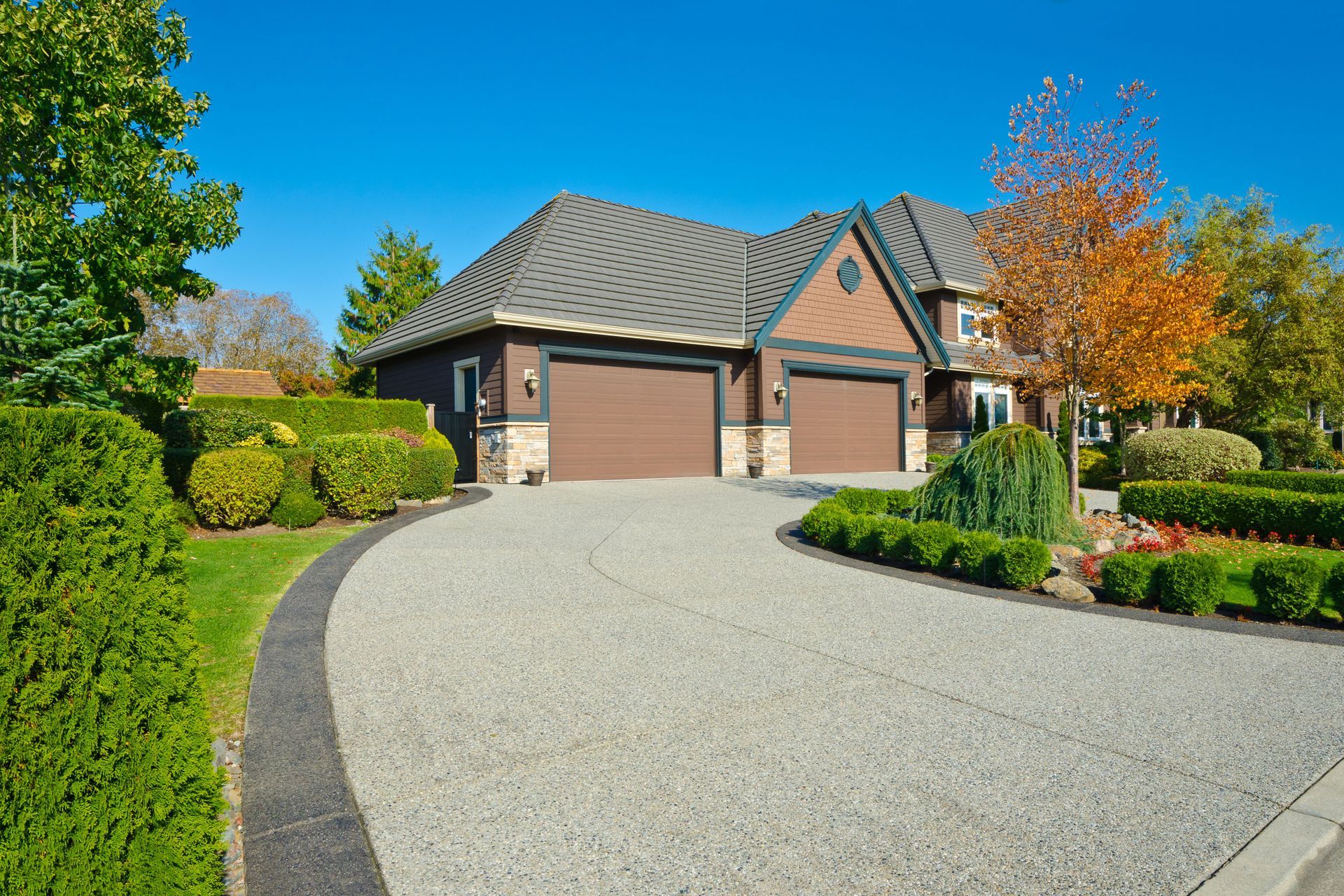
Durability is an important consideration, but homeowners also want a driveway that complements their property's exterior. Concrete offers several design possibilities that allow the finished surface to suit different architectural styles and landscaping choices. A traditional smooth finish creates a clean, understated appearance that works well with many home designs. Decorative finishes, including exposed aggregate, stamped patterns, and colored concrete, can introduce additional texture and visual interest. Borders and carefully planned shapes can also help define the driveway and connect it with walkways or other outdoor features. The selected finish should account for practical considerations, including traction, maintenance needs, and the property's exposure to weather. Homeowners should discuss their design preferences before installation because certain finishes require specific placement and finishing techniques. A knowledgeable contractor can explain which options balance visual appeal with the strength and usability expected from a residential driveway.
Preventing Damage Through Professional Installation
Even durable materials can develop problems when installation procedures are overlooked or poorly executed. Concrete needs the right mixture, suitable placement conditions, and sufficient curing time to develop its intended strength. Adding excessive water to the mixture can reduce strength and negatively affect the finished surface. Inadequate base compaction, improper drainage, and poorly planned joints can also contribute to cracking or settlement. Contractors must pay attention to finishing practices because working the surface incorrectly can weaken its outer layer or affect its texture. Homeowners should also understand that newly placed concrete needs protection during curing and should not be exposed to heavy traffic before it is ready. Choosing a reliable contractor helps reduce the likelihood of preventable installation problems and supports a more consistent result. When evaluating a concrete driveway company, homeowners should discuss the project scope, site preparation, material specifications, curing expectations, and maintenance recommendations.
Homeowners who consider these details can make better decisions about the materials and construction methods suited to their properties. Routine cleaning and timely attention to minor issues can also help preserve the surface and limit avoidable deterioration. Although no driveway material is completely maintenance-free, concrete offers a practical balance of durability, appearance, and long-term usability. Selecting a contractor who understands proper installation techniques is an important step toward achieving these benefits. JB Concrete Enterprises LLC can help homeowners explore concrete driveway options that suit their property and project goals.
Ready to invest in a strong, attractive driveway built for everyday use? Contact us to discuss your concrete driveway project and take the next step toward a durable surface that enhances your property's appearance and functionality.